

Dust Collector Services: Essential Tips for Cleaner Air and Improved Efficiency
2026-04-03
Welcome to our expert guide on dust collector services! At Fanchang Machinery, we understand the critical role these systems play in maintaining clean air and boosting operational efficiency. In this blog, we'll share practical tips and insights to help you optimize your dust collection setup. Whether you're looking to enhance air quality or streamline your processes, you're in the right place. Stay tuned to discover how proper maintenance can make a world of difference!
Understanding Your Dust Collector System
Grasping the ins and outs of your dust collector system starts with recognizing its primary role: not just cleaning air, but safeguarding your workspace and equipment from harmful particulates. Think of it as a silent guardian, pulling in dust and debris through strategically placed hoods and ducts, then trapping them in filters before releasing clean air back into the environment. A solid understanding means knowing that efficiency hinges on proper airflow, which can vary based on factors like duct design and filter condition. Without this foundational knowledge, even a high-end system might underperform, leading to increased maintenance costs and compromised safety.
Diving deeper, it's crucial to familiarize yourself with the specific components of your setup. From the inlet where dirty air enters to the outlet for clean air, each part plays a vital role. Look at the filters, for instance—they're not just replaceable items but the heart of the system, capturing particles down to microscopic sizes. Regular inspection can reveal wear and tear, signaling when to clean or replace them to prevent clogs and maintain optimal suction. By mapping out how air moves through the collector, you can spot potential bottlenecks early, ensuring smooth operation and longer equipment life.
Beyond the basics, tailoring your approach to the unique demands of your facility sets a top-notch dust collector apart from standard setups. Consider the types of dust generated: fine powders, coarse shavings, or hazardous materials might require specialized filters or additional safety features. Proactive monitoring, like tracking pressure drops across filters or scheduling routine checks, transforms understanding into action, minimizing downtime and maximizing productivity. Ultimately, a well-maintained system doesn't just comply with regulations—it creates a cleaner, more efficient workspace where both people and machinery thrive.
Essential Maintenance Routines
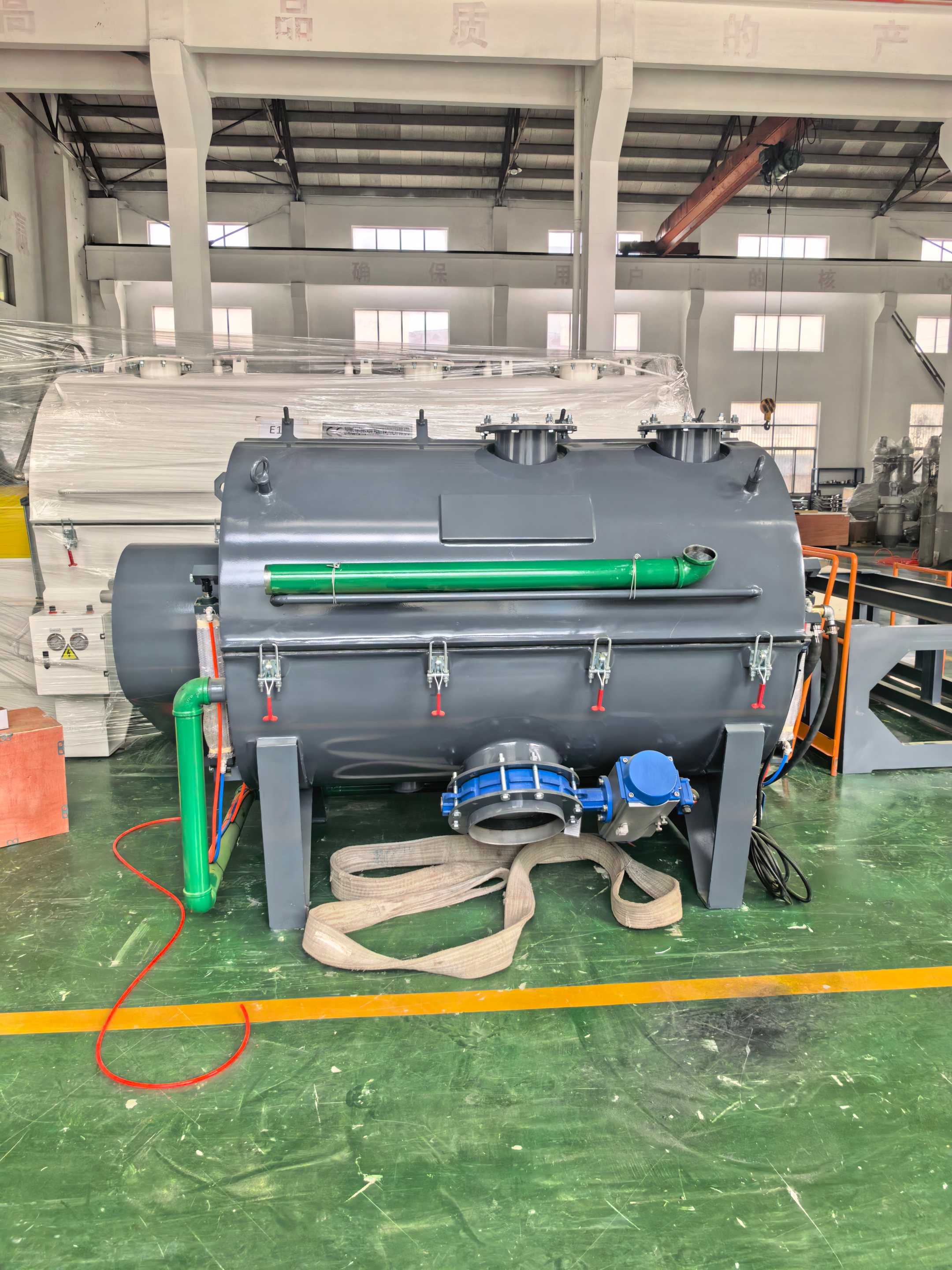
When it comes to keeping your equipment in top shape, essential maintenance routines are your best defense against unexpected breakdowns and costly repairs. Rather than just following a rigid checklist, think of these routines as a proactive approach to care—like regularly scheduling health check-ups for a beloved pet. By integrating simple practices, such as cleaning filters, checking fluid levels, and inspecting for wear and tear, you can catch minor issues before they escalate into major headaches. This not only saves you money in the long run but also ensures your tools or machinery operate efficiently and safely, giving you peace of mind in your daily tasks.
One key aspect that often gets overlooked in maintenance is consistency. It's easy to skip a routine when everything seems to be running smoothly, but that's exactly when small problems can start to develop. For example, setting a reminder to lubricate moving parts or calibrate instruments on a monthly basis can prevent friction and inaccuracies that might otherwise go unnoticed. By making these habits second nature, you create a reliable system that keeps performance at its peak, much like how regular exercise strengthens the body over time without requiring constant attention.
Tailoring your maintenance routines to your specific needs can make a big difference. Instead of generic advice, consider factors like usage frequency, environmental conditions, or the age of your equipment. A car driven daily in a dusty area might need more frequent air filter changes than one used occasionally in a clean garage. Personalizing these steps ensures that you're not just going through the motions but actively protecting your investments. In the end, well-crafted maintenance routines are less about rigid rules and more about smart, adaptable care that keeps things running smoothly for years to come.
Advanced Filtration Techniques
Advanced filtration techniques are transforming industries by delivering unparalleled precision and efficiency in separating substances. Methods like membrane filtration, which uses semi-permeable barriers, can target specific molecules to achieve near-perfect purity. Meanwhile, adsorption processes leverage materials like activated carbon to capture contaminants at a molecular level, offering a versatile solution for water treatment and chemical processing.
Innovations in this field often blend traditional methods with cutting-edge technology, such as combining centrifugation with ultrasonic waves to enhance particle removal in pharmaceutical applications. These hybrid approaches not only improve outcomes but also reduce waste and energy consumption, making them crucial for sustainable practices in sectors from manufacturing to healthcare.
Looking ahead, advancements like nanofiltration and smart filtration systems are pushing boundaries further. Nanofiltration allows for selective separation at the nanoscale, while smart systems integrate sensors and AI to adapt in real-time, optimizing performance based on varying conditions. This evolution underscores how filtration is becoming more dynamic and tailored to complex challenges.
Enhancing System Efficiency
Boosting system efficiency starts with a clear roadmap. Instead of jumping straight into upgrades, smart teams focus on identifying bottlenecks that slow everything down. Imagine a busy kitchen where one ingredient takes forever to prep—fixing that step first can transform the whole operation. It's all about finding those hidden drags and streamlining them step by step.
Once the weak spots are pinpointed, real improvements kick in. Simple tweaks, like automating repetitive tasks or optimizing data flow, can work wonders without breaking the bank. Think of it as fine-tuning an engine: a little adjustment here and there keeps things running smoothly, reducing waste and speeding up results. It's not about overhauling everything overnight but making steady, impactful changes.
The payoff? A system that's not just faster but also more resilient and easier to maintain. When efficiency rises, teams spend less time firefighting and more on creative solutions, which boosts morale and drives innovation. In the end, it's about building a foundation that supports growth and adapts to new challenges seamlessly.
Common Issues and Troubleshooting
When navigating through our software, users might encounter a few typical snags that can slow down their workflow. For instance, connectivity problems often pop up if your network settings aren't configured properly or if there's a firewall blocking access. Don't worry; checking your internet connection and temporarily disabling security software can usually resolve this in minutes.
Another frequent hiccup involves confusing error messages that seem vague or unhelpful. Instead of getting frustrated, try looking up the exact error code in our help section or online forums, where other users have shared their fixes. Often, a simple reboot of the application or clearing the cache can work wonders, saving you from unnecessary technical deep-dives.
For those dealing with persistent crashes or slowdowns, it's worth examining your device's resources. Running too many programs at once or having outdated drivers can strain performance. A quick update of your operating system and software, along with closing unnecessary tabs, might be the straightforward solution you need to get back on track.
Long-Term Performance Tips
When it comes to maintaining high performance over the long haul, it's all about consistency and smart habits. Think beyond quick fixes and focus on building a solid foundation that stands the test of time. This means paying attention to the little things that add up, like regular updates, efficient code practices, and a responsive design mindset.
Another key aspect is keeping your work environment clean and organized. Regularly audit your processes, declutter unnecessary elements, and invest in tools that help you stay productive without burnout. Remember, it's not just about speed; it's about creating a sustainable workflow that can adapt as your needs evolve.
Don't forget to take care of yourself too! A well-balanced approach that includes breaks, continuous learning, and setting realistic goals will keep you sharp and reliable in the long run. By blending these strategies, you'll build a resilient system that thrives under pressure and grows with you over the years.
FAQ
Listen for unusual noises, check air pressure gauges, and monitor dust buildup in vents. A sudden spike in energy bills might also signal reduced efficiency.
Regularly cleaning or replacing filter bags or cartridges before they're visibly clogged. Many wait too long, which strains the system and lowers air quality.
Yes, accumulated dust can pose a fire hazard or cause respiratory issues for workers. It may also lead to system malfunctions that could damage equipment.
Absolutely. A well-maintained unit runs smoother, using less power. Clogged systems force motors to work harder, driving up electricity costs over time.
Look at your facility's dust type, volume, and space constraints. Modern models often include energy-saving features and better filtration, but match it to your specific needs.
Humidity in summer can cause dust to clump, clogging filters faster, while dry winter air might increase static electricity. Adjust maintenance schedules accordingly.
Persistent leaks, motor issues, or complex ductwork problems. If basic cleaning doesn't restore performance, an expert can diagnose deeper mechanical faults.
By trapping fine particles, it reduces airborne allergens and dust on surfaces, leading to cleaner air, fewer health complaints, and a more pleasant environment for staff.
Conclusion
Dust collector systems play a crucial role in maintaining air quality and operational efficiency in industrial settings. Understanding the specific components and functionality of your system is the first step toward effective management. This knowledge allows for tailored maintenance routines that prevent common issues such as filter clogs and pressure drops, ensuring smoother operations. Regular inspections and timely replacements of worn parts can significantly reduce downtime and enhance overall system performance.
Advanced filtration techniques, including the use of high-efficiency filters and automated cleaning mechanisms, further improve air purification while boosting energy efficiency. By integrating smart monitoring tools and optimizing airflow patterns, businesses can achieve long-term reliability and cost savings. Proactive troubleshooting and adherence to performance tips help mitigate potential failures, extending the system's lifespan and supporting a healthier work environment. Ultimately, a well-maintained dust collector not only meets regulatory standards but also contributes to sustainable and productive operations.
Contact Us
Contact Person: Darye WANG
Email: [email protected]
Tel/WhatsApp: 86-13501017897
Website: https://www.fcntd.com/