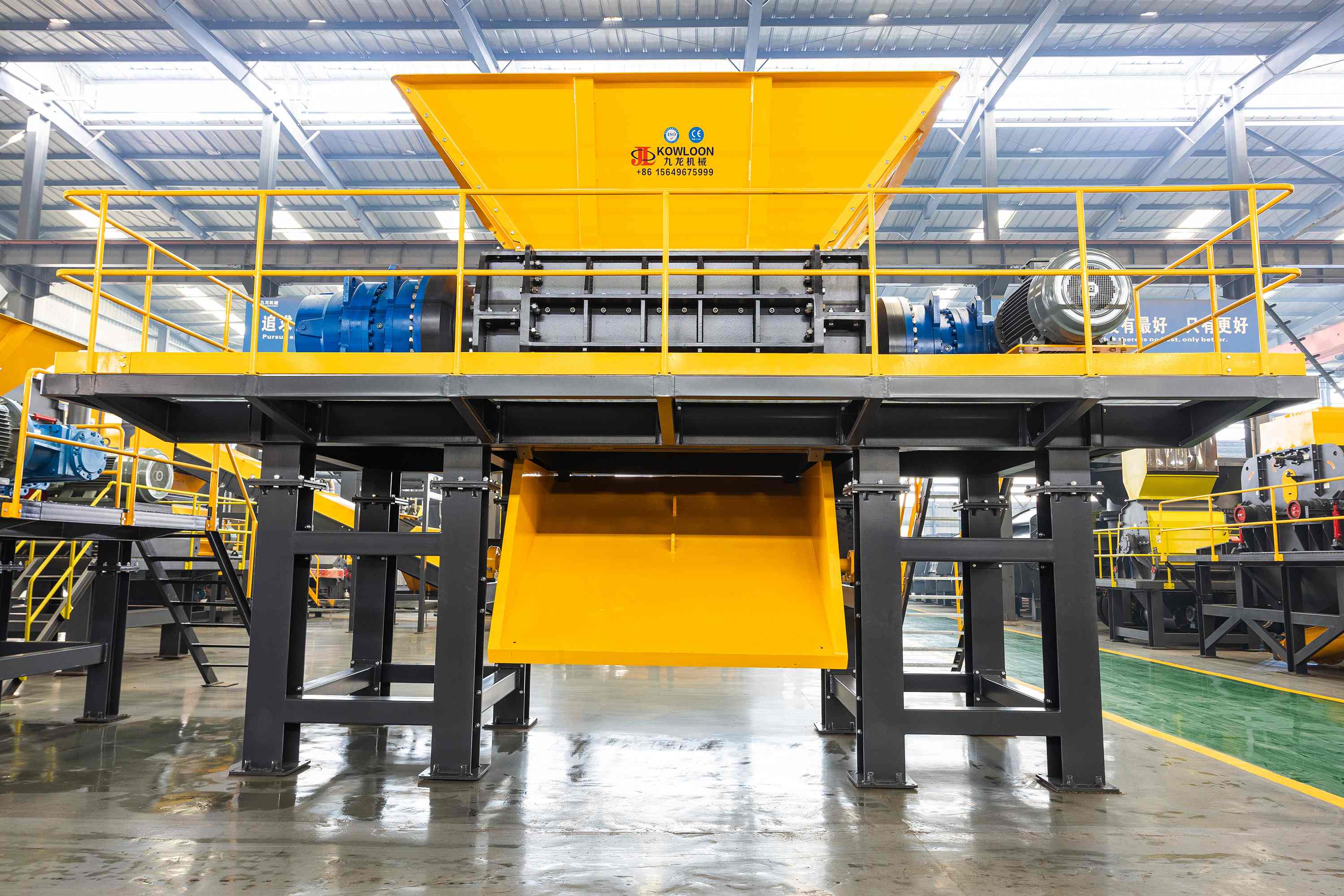

High Quality Tire Shredder: Essential for Recycling and Sustainability
2026-03-25
In the world of tire recycling, quality isn't just a feature—it's the foundation of sustainability. As more industries shift towards eco-friendly practices, the demand for reliable solutions has never been higher. That's where Kowloon Machinery's high-quality tire shredders come into play. These machines aren't just tools; they're essential partners in transforming waste into valuable resources. By breaking down tires efficiently and effectively, they help reduce environmental impact while promoting a circular economy. Whether you're new to recycling or looking to upgrade your current setup, understanding the role of top-tier shredders is key. In this blog, we'll explore why investing in quality matters, how it drives progress, and what makes Kowloon Machinery's approach stand out. Ready to see how innovation meets sustainability? Let's dive in.
Why a Durable Tire Shredder Boosts Recycling Efficiency
You might think tire recycling is just about breaking things down, but it's actually a game of endurance. The real workhorse here is a durable shredder—unlike cheaper options that falter under the strain of tough rubber and steel belts, a robust unit keeps churning day after day. This reliability slashes downtime for repairs, ensuring a steady stream of shredded material that feeds directly into higher output. It's not just about being tough; it's about being consistently productive, turning what could be a bottleneck into a smooth, efficient flow that maximizes your plant's capacity.
Beyond raw power, durability plays a clever role in the quality of the shredded output. A sturdy shredder maintains sharp blades and precise mechanisms longer, yielding cleaner, more uniform pieces. This consistency is crucial because it leads to better separation of materials like rubber, steel, and fiber in later stages. In essence, a durable machine doesn't just shred tires—it refines them, reducing contamination and waste that can bog down the entire recycling line. The result? A more efficient process that saves time and resources, making every step from shredding to final product reuse faster and more effective.
Investing in durability isn't just about immediate gains; it's about long-term strategy. A reliable shredder adapts to varying tire types and conditions without breaking a sweat, future-proofing your operations against wear and tear. This resilience pays off by lowering maintenance costs and extending equipment life, which in turn boosts overall recycling efficiency through fewer interruptions and higher uptime. In a field where every minute counts, a durable shredder becomes the backbone of a streamlined, profitable recycling system that stands out for its reliability and performance.
Key Features of a Reliable Tire Shredding Machine
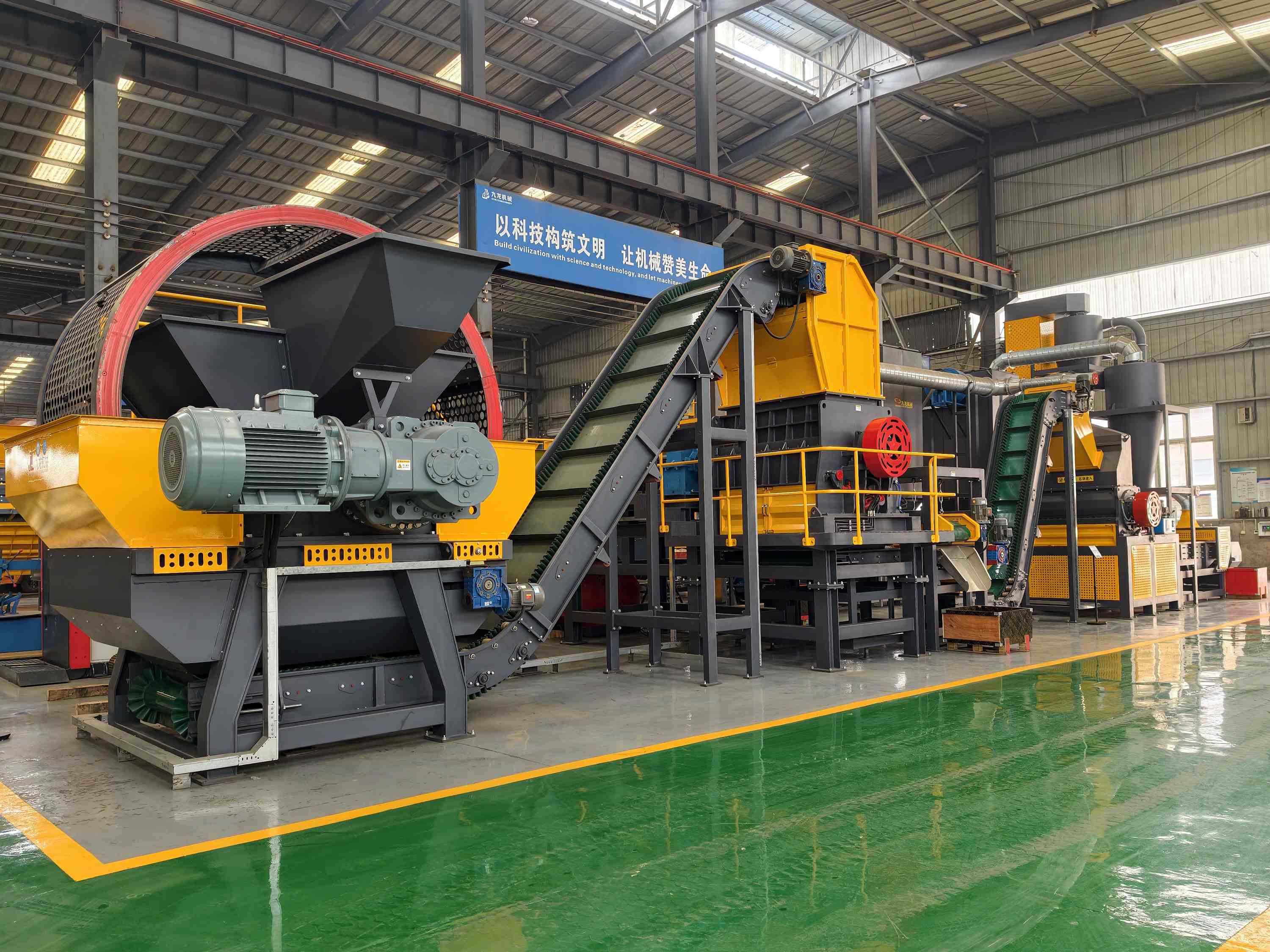
A dependable tire shredding machine stands out with its robust construction and seamless operation. Engineered with high-strength steel components and reinforced cutting mechanisms, it effortlessly handles tires of various sizes and materials, from passenger car tires to heavy-duty truck tires. This durability ensures consistent performance under demanding industrial conditions, minimizing downtime and maximizing productivity. Additionally, advanced safety features, such as automatic shut-off systems and protective enclosures, prioritize operator well-being while maintaining efficiency.
Beyond its rugged build, a reliable machine integrates smart technology for enhanced control and versatility. Many models come equipped with intuitive PLC (Programmable Logic Controller) systems that allow operators to adjust shredding parameters in real-time, optimizing output based on material type. This adaptability extends to processing different rubber compounds and steel-belted tires, producing uniform shreds ideal for recycling or energy recovery applications. Noise reduction features and efficient dust collection systems further contribute to a cleaner, quieter work environment.
Finally, ease of maintenance and energy efficiency are key aspects that distinguish top-tier shredders. With modular designs and accessible components, routine servicing is straightforward, reducing long-term operational costs. Energy-saving motors and optimized cutting actions lower power consumption without compromising shred quality, making these machines both environmentally and economically sustainable for industrial-scale tire recycling projects.
How Tire Shredders Contribute to Environmental Sustainability
Tire shredders play a crucial role in environmental sustainability by transforming old tires into reusable materials. Instead of ending up in landfills, where they pose fire hazards and leach harmful chemicals, discarded tires are shredded into smaller pieces through mechanical processes. These shredded materials can then be repurposed for various applications, such as rubber mulch for playgrounds, athletic tracks, or road construction. By diverting tires from waste streams, this process reduces landfill volume and minimizes the environmental impact associated with tire disposal, promoting a circular economy where resources are continuously reused.
In addition to waste reduction, tire shredding contributes to energy conservation and pollution prevention. When tires are shredded, the resulting materials can serve as fuel alternatives in industrial settings, such as cement kilns, where they burn cleaner than some fossil fuels and reduce greenhouse gas emissions. Moreover, the use of shredded tire rubber in products like insulation or sound barriers helps conserve raw materials, such as petroleum or rubber trees, thus lowering the carbon footprint of manufacturing. This not only supports cleaner air but also encourages industries to adopt more sustainable practices, aligning with global efforts to combat climate change and protect natural ecosystems.
Furthermore, tire shredders enhance environmental sustainability by fostering innovation and community benefits. Shredded tire rubber is increasingly used in creative projects, like erosion control mats for riverbanks or lightweight fill for construction, which improve soil stability and reduce erosion. Local governments and businesses often collaborate to implement tire recycling programs, creating jobs in the green economy and raising public awareness about waste management. By turning a potential pollutant into a valuable resource, tire shredders exemplify how technology and environmental stewardship can work together to build a more sustainable future, benefiting both the planet and society at large.
Cost-Effective Benefits of Investing in High-Quality Shredders
In today's fast-paced business environment, investing in a high-quality shredder goes beyond just document destruction; it's a smart financial move that pays off in the long run. Unlike cheaper, low-end models that often jam or break down quickly, premium shredders are built with durable components and advanced technology, reducing the need for frequent repairs and replacements. This upfront cost is often offset by the savings from avoiding downtime and extra maintenance expenses over time. For instance, businesses that rely on confidential data handling can prevent costly security breaches and compliance fines by ensuring thorough, reliable shredding, making the investment a cost-effective safeguard.
Moreover, high-quality shredders enhance operational efficiency by handling larger volumes of paper or even materials like credit cards and CDs, which cheaper units might not manage effectively. This versatility means you can consolidate multiple shredding tasks into one device, cutting down on the need for additional equipment or outsourced services. By streamlining these processes, companies can reduce labor costs and improve workflow, allowing employees to focus on more strategic tasks rather than dealing with shredder malfunctions. In essence, the initial outlay for a robust shredder translates into ongoing savings and smoother operations, making it a worthwhile addition to any office setup.
Finally, consider the environmental and reputational benefits that come with investing in a reliable shredder. By securely destroying sensitive documents, companies minimize the risk of data leaks, which can lead to expensive legal battles and damaged customer trust. High-quality models often include energy-efficient features and longer lifespans, contributing to sustainability goals and reducing waste. This holistic approach not only saves money but also boosts a company's image as responsible and forward-thinking, attracting clients who value privacy and eco-friendly practices. Ultimately, the cost-effectiveness of a top-tier shredder lies in its ability to protect assets, streamline operations, and enhance overall value for the business.
Practical Applications of Tire Shredding in Waste Management
Tire shredding serves as a pivotal method in waste management by transforming discarded tires into valuable resources. In many regions, old tires accumulate in landfills, posing environmental risks like fire hazards and leaching chemicals. Shredding these tires into smaller pieces allows for easier handling and processing, reducing their bulk and turning them into materials that can be repurposed in various industries, thereby mitigating waste and promoting sustainability.
Beyond basic waste reduction, tire shreds find innovative applications in construction and civil engineering. For instance, they are commonly used as a lightweight fill material for road embankments, where their durability and drainage properties enhance stability. Additionally, shredded tires can be incorporated into playground surfaces or athletic tracks, providing a cushioned, impact-absorbent layer that improves safety and extends product life, offering a practical alternative to traditional materials like concrete or sand.
Moreover, tire shredding supports the circular economy by facilitating energy recovery and recycling. Shredded rubber can be processed into crumb rubber for use in asphalt mixtures, which improves road durability and reduces noise pollution. In waste-to-energy facilities, tire shreds serve as a high-calorific fuel source, generating electricity while diverting waste from landfills. This dual approach not only addresses disposal challenges but also fosters economic benefits through job creation in the recycling sector and cost savings from reduced landfill fees.
Maintenance Tips to Extend Your Shredder's Lifespan
Just like any essential piece of office equipment, a shredder thrives on a bit of regular TLC. Instead of waiting for that dreaded paper jam or funny noise to signal trouble, try incorporating a quick clean into your weekly routine. Wiping down the blades with a dry cloth can remove dust and paper fragments, preventing buildup that strains the motor. For those who shred frequently, a monthly deep clean—unplugging the unit and using compressed air to blow out hidden particles—can work wonders. This simple habit not only keeps your shredder humming smoothly but also reduces the risk of overheating, which is a common culprit behind premature wear and tear.
Another key point often overlooked is the type of paper and materials you feed into the shredder. While it might be tempting to shred cardboard or crumpled receipts, these can clog the mechanism over time. Stick to standard paper weights and limit shreds to a few sheets at a time, as recommended by the manufacturer. For added longevity, consider using shredder oil; a few drops on the blades every couple of months can significantly reduce friction and enhance cutting performance. It's like giving your shredder a gentle massage that keeps it sharp and efficient for years to come.
Finally, let's talk about a smarter way to handle those inevitable jams. Rather than forcing paper through or yanking it out, which can damage the blades, always follow the reverse function as your first step. If that doesn't clear it, unplug the shredder and carefully remove the paper by hand, checking for any hidden staples or clips that might have caused the issue. By treating jams with patience and care, you avoid unnecessary stress on the machine, ensuring it remains a reliable security ally in your daily workflow. Remember, a shredder that's well-maintained not only lasts longer but also offers peace of mind, knowing your sensitive documents are handled safely and efficiently.
FAQ
A high-quality tire shredder is designed to effectively break down used tires into smaller, manageable pieces, which is crucial for recycling processes and reducing environmental waste.
By shredding tires into reusable materials like rubber crumb, it helps divert waste from landfills, promotes recycling, and supports circular economy initiatives, thus conserving natural resources.
High-quality shredders typically have durable blades, efficient motor systems, and advanced safety mechanisms, ensuring consistent performance, low maintenance, and long-term reliability in demanding recycling operations.
Shredding tires is essential as it transforms bulky, hard-to-handle waste into versatile materials that can be repurposed for products such as playground surfaces, asphalt, or fuel, enhancing overall waste management efficiency.
Yes, many top-tier shredders are versatile enough to process various tire sizes and types, including passenger, truck, and even off-road tires, adapting to diverse recycling needs.
Investing in a premium shredder offers benefits like higher throughput, reduced energy consumption, minimal downtime, and better material quality, leading to cost savings and improved sustainability outcomes.
These shredders help comply with environmental regulations by reducing tire stockpiles and fire hazards, while built-in safety features protect operators, making recycling processes safer and more eco-friendly.
Conclusion
High-quality tire shredders are fundamental to advancing recycling and sustainability efforts in the waste management industry. By enhancing recycling efficiency through durable construction, these machines process tires quickly and consistently, reducing downtime and operational costs. Key features like robust blades, high torque motors, and safety mechanisms ensure reliable performance, which directly contributes to environmental sustainability by minimizing tire waste in landfills and supporting the production of recycled materials such as crumb rubber for new products. This not only conserves natural resources but also reduces pollution, making tire shredders a critical component in green initiatives.
Investing in a high-quality shredder offers significant cost-effective benefits, as it lowers long-term expenses through energy efficiency and reduced maintenance needs. Practical applications extend across waste management sectors, from tire recycling facilities to construction sites, where shredded tires are repurposed for landscaping, fuel, or industrial uses. Regular maintenance, such as blade sharpening and system checks, further extends the machine's lifespan, ensuring sustained performance. Overall, these shredders drive both economic and ecological advantages, positioning them as essential tools for a sustainable future in waste reduction and resource recovery.
Contact Us
Contact Person: Ray
Email: [email protected]
Tel/WhatsApp: +86 13733817580
Website: https://www.zzkowloon.com/