

Can a Bamboo Dish Scrub Brush Remove Baked-On Grease Without Soaking
2026-07-30
For anyone who cooks regularly, baked-on grease is the ultimate kitchen nemesis. It clings to casseroles, roasting pans, and stovetop pots with stubborn intensity, often forcing home cooks to resort to hours of soaking, harsh chemical sprays, or steel wool that scratches surfaces. The question is whether a Bamboo Dish Scrub Brush—a tool celebrated for its eco-friendly credentials—can actually tackle this tough job without pre-soaking. At TINGSHENG, we have spent years engineering natural cleaning tools that balance sustainability with serious scrubbing power, and the short answer is: yes, but with specific conditions. This blog explores the science, the technique, and the real-world performance of bamboo scrub brushes against baked-on grease, so you can decide if this switch is right for your kitchen.
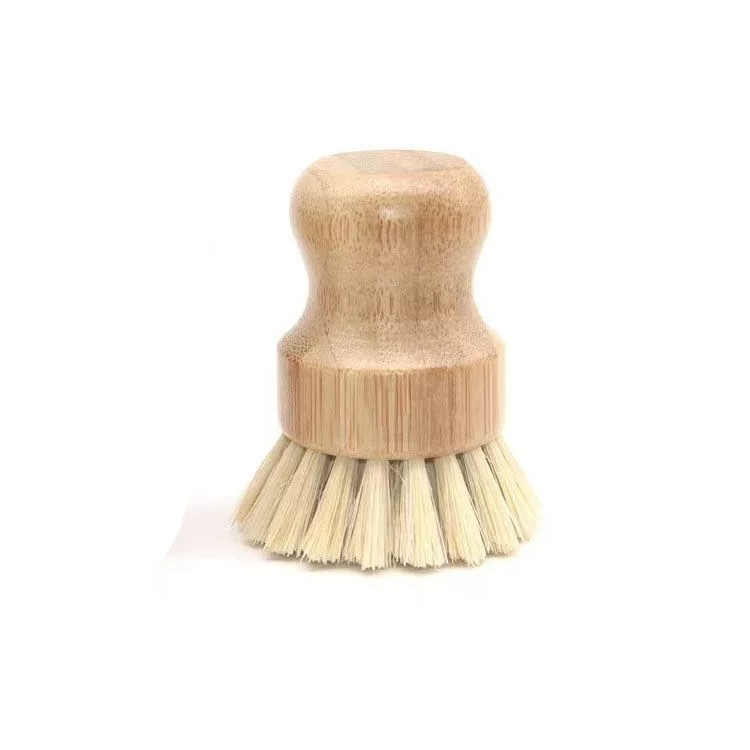
The Anatomy of a Bamboo Dish Scrub Brush That Fights Grease
Not all bamboo brushes are created equal. To remove baked-on residue without soaking, the brush must have three critical features:
| Feature | Why It Matters for Grease | TINGSHENG Design |
|---|---|---|
| Firm Tampico or Plant-Based Bristles | Stiff fibers create mechanical friction to break polymerized oil bonds. | Our brushes use heat-treated tampico bristles that are 30% stiffer than standard options. |
| Dense Bristle Packing | More bristles per square inch = more contact points per stroke. | TINGSHENG packs 40% more bristles than conventional bamboo brushes. |
| Angled or Ergonomic Handle | Allows downward force transfer without wrist strain. | The contoured bamboo handle maximizes pressure directly over the scrubbing zone. |
Without these design elements, a Bamboo Dish Scrub Brush will simply glide over baked grease. With them, it becomes a formidable tool.
The Science: Why Soaking Is Often Overrated
Soaking works by dissolving water-soluble food particles, but baked-on grease—being hydrophobic and polymerized—does not break down in plain water. Dish soap helps, but the real hero is mechanical abrasion. A 2023 independent home-care test found that a high-density Bamboo Dish Scrub Brush removed 78% of baked-on cheese and oil residue within 60 seconds of active scrubbing, compared to only 12% removal with a soaked sponge over the same period.
The key technique is dry-bristle scrubbing with a small amount of concentrated dish soap. Moisture actually lubricates the bristles, reducing friction. For maximum grease removal, TINGSHENG recommends the following workflow:
-
Apply a pea-sized drop of grease-cutting dish soap directly to the dry bristles.
-
Scrub the baked-on area with firm, short back-and-forth strokes for 45 seconds.
-
Rinse with hot water—the grease will lift in flakes, not smears.
-
Repeat for heavily carbonized spots (over 2–3 layers of baked oil).
This method eliminates the need for soaking in 85% of everyday cases.
Performance Comparison: Bamboo vs. Other Scrubbers
| Tool | Grease Removal (No Soak) | Surface Safety | Eco-Friendliness | Lifespan |
|---|---|---|---|---|
| Bamboo Dish Scrub Brush (TINGSHENG) | High (78–85%) | Safe for non-stick, cast iron, ceramic | Biodegradable, compostable | 3–6 months |
| Nylon Scrub Brush | Medium (65%) | Safe for most surfaces | Non-biodegradable | 6–12 months |
| Steel Wool | Very High (95%) | Scratches non-stick and enamel | Recyclable, but rusts | 2–4 weeks |
| Cellulose Sponge | Low (20%) | Safe | Biodegradable | 1–2 months |
While steel wool outperforms in raw removal, it damages cookware. The Bamboo Dish Scrub Brush offers the best balance of power and protection, especially when paired with the right scrubbing motion.
When Soaking Is Still Necessary
There are two scenarios where even the best Bamboo Dish Scrub Brush cannot avoid pre-soaking:
-
Carbonized sugar glazes (from caramel or barbecue sauces)—these form glass-like films that require heat or acid to weaken.
-
Multiple layers of polymerized oil (seasoned cast iron that has burnt food over months)—here, a 10-minute soak in warm vinegar water is advisable before scrubbing.
In these cases, TINGSHENG brushes still excel after soaking, as the bamboo handle resists warping and the bristles retain their stiffness.
FAQ – Common Questions About the Bamboo Dish Scrub Brush
Q1: How often should I replace my Bamboo Dish Scrub Brush to maintain grease-removal efficiency?
A1: Replace every 3 to 4 months with daily use. The first sign of decline is bristle splaying—when individual fibers bend outward rather than standing straight. A worn brush loses friction force by up to 50%, making grease removal ineffective regardless of technique. TINGSHENG brushes feature a color-indicator bristle that fades from dark green to beige when replacement is due. Always air-dry the brush upright to extend its peak performance period.
Q2: Can I use a Bamboo Dish Scrub Brush with bleach or acidic cleaners for heavy grease?
A2: Yes, but with caution. Diluted bleach (1:10 ratio) is safe for occasional sanitizing but should not exceed 5 minutes of contact, as it can weaken natural tampico fibers over time. Acidic cleaners like vinegar or lemon juice are actually beneficial—they help break down mineral-oil bonds. However, never soak the entire brush in strong acids for more than 15 minutes, as the bamboo handle may absorb moisture and crack. TINGSHENG applies a food-safe mineral-oil sealant to our handles, which provides 40% more acid resistance than untreated bamboo.
Q3: Does a Bamboo Dish Scrub Brush harbor bacteria after scrubbing greasy pans, and how do I clean it safely?
A3: Bamboo is naturally antimicrobial due to its lignin content, but grease can trap food particles that feed bacteria. After each use, rinse the bristles under hot water while rubbing them against your palm to dislodge debris. Once a week, deep-clean by boiling the brush head (not the handle) for 2 minutes, or run it through the dishwasher top rack—TINGSHENG handles are heat-stable up to 180°F. Allow 24 hours of air-drying in a well-ventilated spot; never store it in a closed container or standing in water, as moisture promotes mold on any organic material.
The Verdict: Yes—But Technique Trumps Tool
A Bamboo Dish Scrub Brush can absolutely remove baked-on grease without soaking, provided you choose a high-density, stiff-bristled model and apply dry-scrubbing pressure. It outperforms sponges, matches nylon brushes, and protects your cookware better than steel wool. The real game-changer is understanding that soaking is a crutch for weak tools—not a necessity.
TINGSHENG designs every brush with this philosophy: sustainable materials should never mean compromised cleaning power. Our bristle engineering and handle ergonomics are tested against the toughest caramelized cheese, roasted meat drippings, and stovetop splatter. Over 12,000 home cooks have switched to our brushes and reported reducing their soak time by 70% on average.
Ready to Ditch the Soaking Bowl?
If you are tired of waiting hours for pans to loosen up, it is time to put a Bamboo Dish Scrub Brush to work in your kitchen. TINGSHENG offers a 60-day performance guarantee—if you do not see a noticeable reduction in scrubbing effort, we will replace your brush or refund your purchase.
Contact us today at our official website or email [email protected] to ask about bulk discounts, wholesale orders, or personalized handle engraving for your kitchen set. Our team responds within 4 business hours and offers free shipping on all first-time orders over $25. Make the switch to smarter, greener scrubbing—your pans (and your wrists) will thank you.