

Do Greece Natural Sponges Really Improve Exfoliation and Skin Health
2026-11-10
When it comes to gentle exfoliation and long-term skin health, Greece Natural Sponge has earned a loyal following among skincare professionals and spa therapists. Harvested from the clean waters of the Mediterranean, these sea sponges offer a naturally porous structure that supports daily cleansing without stripping the skin. In this guide, Sennuopu breaks down the science, the practical benefits, and what you should know before adding one to your routine.
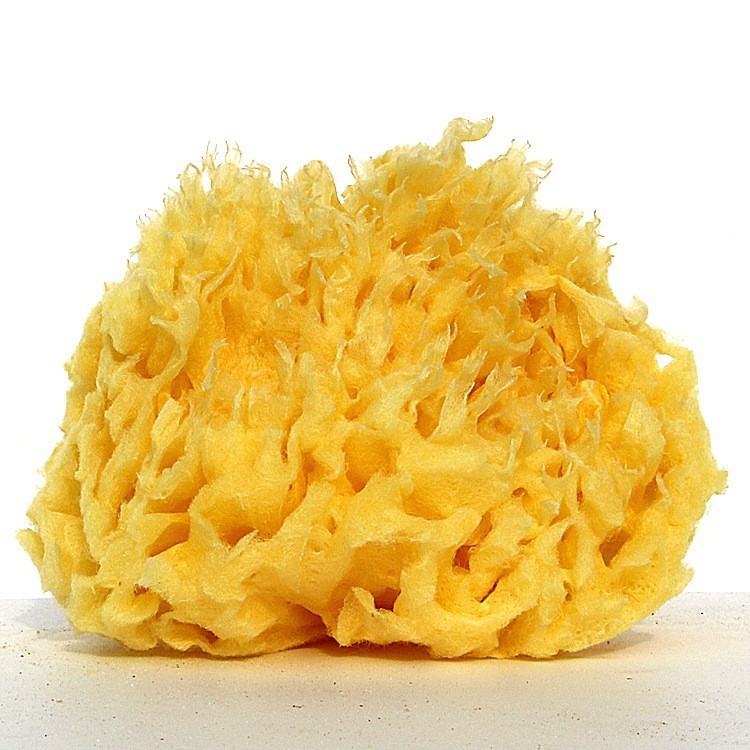
What Makes a Greece Natural Sponge Unique?
A Greece Natural Sponge is a renewable marine organism, not a synthetic product. Its soft, interconnecting pores create a mild mechanical exfoliation that lifts dead cells while preserving the skin barrier. Unlike plastic-based scrubs, the natural structure is irregular, which means it adapts to facial contours and body curves for more even coverage.
Key structural advantages:
-
Variable pore size — larger pores for the body, finer pores for the face
-
Natural softness — suitable for sensitive and mature skin
-
Biodegradable material — a sustainable alternative to synthetic loofahs
-
Water retention — holds cleanser efficiently for a richer lather
How Exfoliation Supports Skin Health
Exfoliation is not simply about scrubbing away dirt. Controlled removal of dead corneocytes supports cell turnover, improves product absorption, and helps prevent clogged pores. The question is whether a Greece Natural Sponge delivers this effect safely.
| Skin Concern | How a Greece Natural Sponge Helps | Recommended Frequency |
|---|---|---|
| Dullness | Lifts dead surface cells for a brighter look | 3–4 times per week |
| Rough texture | Gentle mechanical smoothing | 2–3 times per week |
| Clogged pores | Supports cleanser penetration | 2 times per week |
| Dry patches | Removes flaking without harsh abrasion | 2–3 times per week |
| Sensitive skin | Soft fibres reduce irritation risk | 1–2 times per week |
Professional Usage Guidelines
To get the most from a Greece Natural Sponge, technique matters as much as the material. Sennuopu recommends the following professional approach:
-
Soak before use — fully hydrate the sponge in warm water for 1–2 minutes.
-
Apply cleanser to the sponge, not directly to dry skin.
-
Use light circular motions — pressure should never cause redness.
-
Rinse thoroughly after each use and squeeze gently.
-
Air-dry in a ventilated area to prevent bacterial buildup.
-
Replace every 2–3 months with regular use.
Greece Natural Sponge FAQ
Are Greece Natural Sponges suitable for daily facial use?
Daily use is generally too abrasive for most skin types; 2–3 times per week is safer for the face, while the body can tolerate more frequent use.
How do I sanitise a Greece Natural Sponge without damaging it?
Rinse with warm water and a mild soap, then soak briefly in a diluted white vinegar solution once a week, and always air-dry completely before storage.
Is a Greece Natural Sponge better than a synthetic exfoliating mitt?
For most users, yes, because the natural porous structure provides gentler, more uniform exfoliation and biodegrades at end of life, though synthetic options may last longer.
Can Greece Natural Sponges help with keratosis pilaris on the arms?
Gentle regular exfoliation can soften rough bumps, but pair it with a moisturising routine and avoid aggressive scrubbing, which may worsen irritation.
How often should a Greece Natural Sponge be replaced?
With regular use and proper care, replace it every 2–3 months, or sooner if it develops an odour, discolouration, or loss of structure.
Final Thoughts and Contact
A Greece Natural Sponge is a credible, professionally respected tool for gentle exfoliation when used with correct technique and realistic expectations. It supports skin health through mild mechanical renewal, not aggressive scrubbing. Sennuopu supplies carefully selected natural sponges for spas, skincare brands, and personal care retailers. Contact us today to request samples, wholesale pricing, or a tailored product consultation for your business.