

What Is a Mold Machine for Plastic and Why Is It Essential for Modern Manufacturing?
2026-03-02
In today's competitive manufacturing landscape, precision, efficiency, and consistency are the core drivers of success. A Mold Machine for Plastic plays a central role in transforming raw polymer materials into high-quality plastic components used in automotive, electronics, medical, packaging, and consumer industries. From small precision parts to large structural components, the right mold machine directly determines product quality, cycle time, and production cost. For manufacturers seeking reliability and advanced temperature control solutions, partnering with a professional supplier such as Ningbo Ao Kai Precision Temperature Control Technology Co., Ltd. can significantly improve molding performance and operational efficiency.
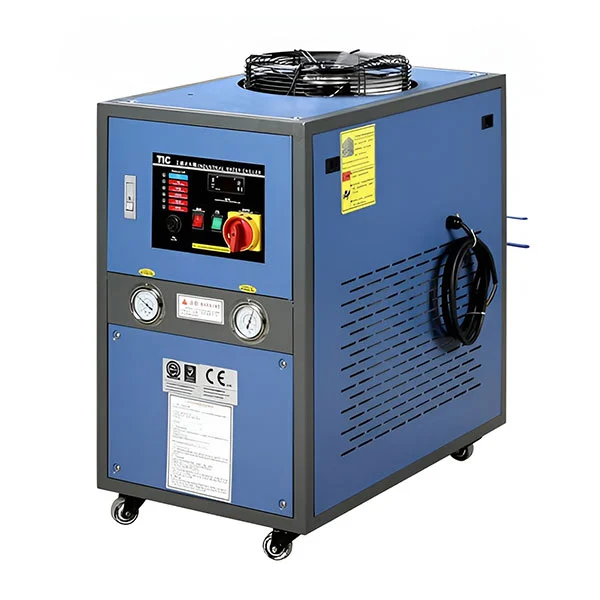
1. What Is a Mold Machine for Plastic?
A Mold Machine for Plastic refers to specialized equipment used to shape molten plastic materials into predefined forms through molds. The most common type is the injection molding machine, but it also includes blow molding and compression molding systems.
The working principle typically involves:
-
Heating plastic resin until molten
-
Injecting or pressing it into a mold cavity
-
Cooling the material to solidify
-
Ejecting the finished product
Temperature stability and mold precision are critical in this process. Even slight temperature deviations can cause shrinkage, warping, or surface defects.
2. Why Is Temperature Control Critical in Plastic Molding?
Temperature control determines the final product's:
-
Surface finish
-
Dimensional accuracy
-
Mechanical strength
-
Production cycle time
A high-performance temperature control system ensures uniform heating and cooling across the mold. Ningbo Ao Kai Precision Temperature Control Technology Co., Ltd. specializes in advanced mold temperature controllers designed to enhance stability, reduce defects, and extend mold life.
Key Benefits of Precise Temperature Control
-
Reduced product deformation
-
Shorter molding cycles
-
Improved surface gloss
-
Energy efficiency
-
Lower maintenance costs
3. What Are the Main Types of Mold Machine for Plastic?
Different applications require different molding technologies. Below is a simplified comparison:
| Type of Mold Machine | Working Method | Typical Applications | Advantages |
|---|---|---|---|
| Injection Molding Machine | Injects molten plastic into mold | Automotive parts, electronics housings | High precision, mass production |
| Blow Molding Machine | Inflates molten plastic into hollow mold | Bottles, containers | Ideal for hollow products |
| Compression Molding Machine | Compresses material in heated mold | Industrial components | Suitable for thermosets |
| Extrusion Molding Machine | Pushes molten plastic through die | Pipes, sheets | Continuous production |
Choosing the right Mold Machine for Plastic depends on production volume, product structure, and material type.
4. How Does a Mold Machine for Plastic Improve Production Efficiency?
A modern Mold Machine for Plastic integrates automation, digital monitoring, and precision control systems.
Efficiency Improvements Include:
-
Automated feeding systems
-
Servo motor energy-saving technology
-
Real-time temperature monitoring
-
Smart PLC control panels
-
Rapid mold change systems
When paired with professional mold temperature controllers from Ningbo Ao Kai Precision Temperature Control Technology Co., Ltd., manufacturers can achieve optimal thermal balance, reducing scrap rates and increasing throughput.
5. What Are the Core Components of a Mold Machine for Plastic?
Understanding the structure helps buyers evaluate quality:
-
Injection Unit – Melts and injects plastic
-
Clamping Unit – Holds mold tightly during injection
-
Hydraulic or Servo System – Provides driving force
-
Control System – Manages temperature, pressure, timing
-
Cooling System – Maintains mold stability
Each component must operate in harmony. In particular, mold temperature control is often the most underestimated yet decisive factor in consistent production.
6. Mold Machine for Plastic: Traditional vs. Intelligent Systems
With Industry 4.0 integration, plastic molding machines are evolving rapidly.
Traditional Systems
-
Manual parameter adjustments
-
Limited monitoring
-
Higher energy consumption
Intelligent Systems
-
Digital temperature control
-
Automatic fault diagnosis
-
Energy-efficient servo drives
-
Remote monitoring capability
By integrating advanced thermal control technology from Ningbo Ao Kai Precision Temperature Control Technology Co., Ltd., companies can transition from conventional molding to smart manufacturing.
7. What Industries Rely on Mold Machine for Plastic?
A Mold Machine for Plastic is indispensable in:
-
Automotive (bumpers, dashboards, connectors)
-
Electronics (casings, precision components)
-
Medical (syringes, device housings)
-
Packaging (caps, bottles)
-
Household goods (containers, appliances parts)
Each industry requires strict dimensional tolerance and material consistency, making precise mold temperature control essential.
8. How to Choose the Right Mold Machine for Plastic?
When selecting a machine, consider:
1. Production Volume
High-volume production favors injection molding machines with automation.
2. Product Complexity
Complex geometries require advanced clamping precision and stable temperature systems.
3. Material Type
Different polymers (ABS, PP, PC, PET) require different temperature ranges.
4. Energy Efficiency
Servo-driven machines reduce electricity consumption significantly.
5. Supplier Expertise
Working with experienced partners such as Ningbo Ao Kai Precision Temperature Control Technology Co., Ltd. ensures long-term reliability and technical support.
9. What Is the ROI of Investing in a High-Quality Mold Machine for Plastic?
Although initial investment may be higher, the long-term return is significant:
-
Reduced scrap rates
-
Lower maintenance costs
-
Improved product consistency
-
Higher production speed
-
Enhanced brand reputation
A reliable Mold Machine for Plastic combined with precise temperature control technology minimizes downtime and maximizes profitability.
10. Future Trends of Mold Machine for Plastic
The plastic molding industry is moving toward:
-
Energy-efficient systems
-
IoT integration
-
AI-driven process optimization
-
Environmentally friendly materials
-
Faster cycle times
Manufacturers that upgrade their equipment and integrate precision temperature control solutions will remain competitive in the global market.
Conclusion
A Mold Machine for Plastic is more than just molding equipment—it is the backbone of modern plastic manufacturing. From product quality to production efficiency, every detail matters. Precise mold temperature control plays a decisive role in achieving consistent results and minimizing production risks.
As a professional manufacturer, Ningbo Ao Kai Precision Temperature Control Technology Co., Ltd. is committed to delivering high-performance mold temperature control solutions that optimize molding processes, reduce operational costs, and improve product stability. If you are looking to upgrade your plastic molding system or enhance production efficiency, now is the time to act.
For professional consultation, customized solutions, and long-term technical support, please contact us today and let us help you achieve smarter, more efficient plastic manufacturing.