

Which Natural Bamboo Toothbrush Meets Modern Oral Care Needs?
2026-11-18
Article Summary
A natural bamboo toothbrush combines a familiar manual toothbrush design with a bamboo handle, making it an appealing option for consumers and businesses looking to reduce their dependence on conventional plastic products. But choosing a good bamboo toothbrush involves more than simply looking for a wooden handle.
Bristle softness, head size, handle shape, bamboo quality, manufacturing consistency, moisture management, packaging, and end-of-life disposal can all affect the overall user experience. For buyers, distributors, hospitality businesses, retailers, and private-label brands, these details also influence product quality and customer satisfaction.
This guide explains what makes a natural bamboo toothbrush practical, how the different components work together, how to care for one properly, and what buyers should consider when sourcing bamboo toothbrushes for everyday oral care or commercial applications.
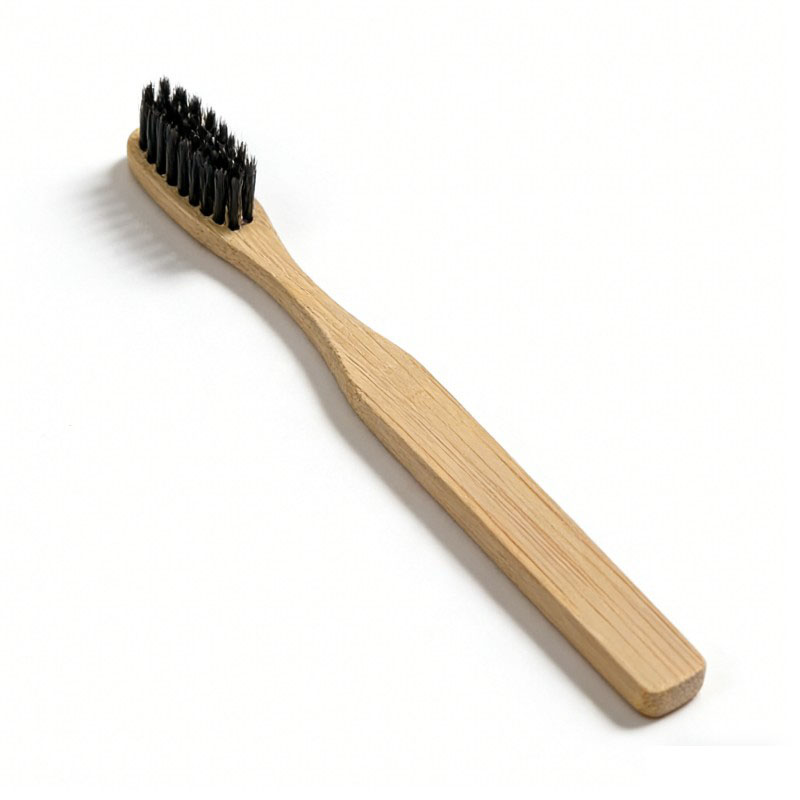
1. What Is a Natural Bamboo Toothbrush?
A natural bamboo toothbrush is a manual toothbrush that uses bamboo as the primary material for its handle. The basic purpose remains the same as a conventional manual toothbrush: the bristles are used to clean tooth surfaces and help remove food debris and dental plaque.
The most visible difference is the handle. Instead of using a conventional plastic material, manufacturers shape bamboo into a comfortable toothbrush handle and finish the surface so that it can be held securely during brushing.
Modern bamboo toothbrushes are available in different handle shapes, head sizes, bristle configurations, colors, packaging formats, and customization options. This allows the product to serve both individual consumers and commercial buyers.
This distinction matters because sustainable product design is about the entire product system rather than one material alone. A responsible bamboo toothbrush specification should consider the handle, bristles, packaging, manufacturing process, transportation, use, and disposal.
2. Why Is Bamboo Used for Toothbrush Handles?
Bamboo has become popular in personal-care products because it is a rapidly renewable plant material and can be shaped into practical everyday products. Compared with a conventional plastic toothbrush handle, a bamboo handle can reduce the amount of fossil-based plastic used in the finished product.
Research published in the British Dental Journal compared several toothbrush designs over a five-year period and found that the bamboo manual toothbrush had a lower environmental impact across the assessed categories than the traditional plastic and electric toothbrushes included in that study. :chatgpt-content-reference{index="1"}
A Renewable Material with a Distinct Appearance
Bamboo also provides a natural visual identity. Its grain, color variations, and warm surface appearance can help a product communicate a less industrial and more nature-oriented image.
For retailers and private-label brands, this appearance can be useful when developing product ranges focused on sustainable living, plastic reduction, travel, hospitality, or natural personal care.
Lightweight and Practical
A properly manufactured bamboo handle can be lightweight while maintaining sufficient strength for normal manual brushing. The final performance depends on bamboo selection, moisture control, machining, surface finishing, and quality inspection.
A Material That Requires Proper Processing
Natural does not mean that every bamboo handle automatically has the same quality. Bamboo needs to be processed appropriately so that the handle has a smooth surface, suitable dimensions, comfortable edges, and adequate resistance to normal bathroom use.
For commercial buyers, consistency between production batches is therefore just as important as the choice of bamboo itself.
3. What Makes a Bamboo Toothbrush Comfortable to Use?
A toothbrush is used every day, so comfort should be considered alongside appearance and environmental positioning. The handle should feel stable in the hand, while the head should be appropriately sized for the user's mouth.
An ergonomic profile can make the toothbrush easier to grip and control during brushing.
A suitably sized head can make it easier to reach different areas of the mouth.
Soft bristles are commonly recommended for reducing the risk of gum injury from excessive pressure.
A smooth handle helps create a more comfortable experience and reduces rough edges.
The American Dental Association recommends soft-bristled toothbrushes and gentle brushing pressure to help reduce the risk of gingival injury. It also recommends replacing a toothbrush approximately every three to four months, or sooner when the bristles become worn or frayed. :chatgpt-content-reference{index="2"}
Handle Design Matters More Than Appearance Alone
A bamboo toothbrush may look attractive, but an attractive shape is not necessarily a comfortable shape. Manufacturers should consider handle thickness, grip area, transitions between the neck and handle, edge finishing, and overall balance.
For private-label products, buyers may also request custom handle shapes or engraved branding. These modifications should maintain a practical grip and should not compromise the structural integrity of the handle.
4. Bamboo Toothbrush Bristles: What Should You Know?
The bristles are one of the most important functional components of a toothbrush. While consumers often focus on the bamboo handle, the bristles have direct contact with the teeth and gums and therefore deserve careful consideration.
Soft Bristles for Everyday Brushing
Soft bristles are widely recommended for manual toothbrushes because aggressive brushing with harder bristles can contribute to gum irritation and abrasion. The American Dental Association specifically recommends soft bristles for general toothbrush use. :chatgpt-content-reference{index="3"}
Nylon Bristles and the Sustainability Question
Many bamboo toothbrushes use nylon bristles because they provide a familiar brushing experience and can be manufactured consistently. This also means that the entire toothbrush should not automatically be described as biodegradable.
When the toothbrush reaches the end of its useful life, the bristle material may need to be separated from the bamboo handle according to local disposal requirements.
Different Bristle Configurations
Manufacturers can produce different bristle profiles and arrangements. Options may include flat trims, tapered filaments, multi-level arrangements, or specialty configurations depending on the intended product.
The correct choice should be based on user requirements, product positioning, target market expectations, and applicable testing requirements rather than appearance alone.
5. How Does a Natural Bamboo Toothbrush Compare with Plastic?
The most obvious difference is the handle material. However, a meaningful comparison should also consider usability, maintenance, material composition, manufacturing, and disposal.
| Factor | Natural Bamboo Toothbrush | Conventional Plastic Toothbrush |
|---|---|---|
| Handle Material | Bamboo is commonly used as the main handle material. | Usually made from plastic polymers. |
| Appearance | Natural grain and warm material appearance. | Wide range of molded colors and finishes. |
| Plastic Use | Can significantly reduce plastic in the handle, depending on the design. | Plastic is commonly used for the main handle. |
| Maintenance | Requires proper drying and storage because bamboo is a natural material. | Generally less sensitive to moisture. |
| End-of-Life | Handle and bristles may need separate disposal depending on materials and local rules. | Typically handled as a mixed plastic product. |
| Brand Positioning | Strong fit for natural and sustainability-focused product lines. | Suitable for conventional mass-market oral-care ranges. |
The choice does not have to be framed as bamboo versus plastic in every situation. A better approach is to evaluate the intended user, required performance, materials, expected service period, packaging, and disposal pathway.
For brands specifically seeking to reduce plastic use in the toothbrush handle, bamboo provides a practical material option.
6. How to Choose a Quality Natural Bamboo Toothbrush
Whether you are buying a small quantity for retail testing or sourcing large volumes for private-label production, several details deserve attention.
1. Check the Bamboo Handle Quality
The handle should have a smooth, consistent surface without obvious splinters, sharp edges, cracks, or unacceptable machining marks. Dimensional consistency is especially important for large-volume orders.
2. Examine the Bristle Arrangement
Bristles should be securely retained and evenly arranged. Ask the manufacturer how tuft retention and finished-brush inspection are controlled.
3. Confirm the Bristle Specification
Do not rely solely on terms such as “soft” or “natural.” Request the actual bristle material, filament characteristics, trim specification, and available options.
4. Consider Moisture Management
Because bamboo is a natural material, production, storage, transportation, and packaging conditions should be properly controlled. Excessive moisture exposure can negatively affect the appearance and service life of a bamboo handle.
5. Review Packaging
If the purpose of the product is to reduce unnecessary plastic, packaging should be considered as part of the overall product design. Paper-based or other suitable packaging formats may help maintain consistency with the product's natural positioning.
6. Ask About Customization
Private-label customers may require logo engraving, custom packaging, different bristle options, handle shapes, colors, or product sets. Confirm the minimum order quantity, sample process, production lead time, and quality-control procedure before placing a bulk order.
| Quality Point | What to Confirm |
|---|---|
| Bamboo Handle | Smoothness, shape, dimensions, finish, and visible defects. |
| Bristles | Material, softness, trim, arrangement, and retention. |
| Production | Process consistency and inspection procedures. |
| Packaging | Material, printing quality, protection, and sustainability goals. |
| Customization | Logo, handle design, packaging, and product configuration. |
| Supply | MOQ, samples, lead time, production capacity, and communication. |
7. How Should a Bamboo Toothbrush Be Stored and Maintained?
Good storage is particularly important for a natural bamboo toothbrush. Unlike a plastic handle, bamboo should not remain unnecessarily wet for extended periods.
Rinse After Brushing
After brushing, rinse the toothbrush thoroughly to remove toothpaste and debris. The American Dental Association recommends rinsing toothbrushes after use and allowing them to air dry in an upright position. :chatgpt-content-reference{index="4"}
Allow the Handle to Dry
Place the toothbrush in an upright position where air can circulate around it. Avoid storing it permanently inside a closed, damp container.
Keep Toothbrushes Separate
Toothbrushes should not be shared. They should also be stored so that different brush heads do not unnecessarily contact one another.
Replace the Toothbrush Regularly
A bamboo handle does not mean the brush should be kept indefinitely. The American Dental Association recommends replacing toothbrushes approximately every three to four months, or sooner if the bristles become matted or frayed. :chatgpt-content-reference{index="5"}
- Rinse the brush thoroughly after use.
- Store it upright when possible.
- Allow the bamboo handle to dry between uses.
- Avoid keeping it continuously in a sealed wet container.
- Do not share the toothbrush with another person.
- Replace the brush when the bristles become worn or approximately every three to four months.
8. What Are the Environmental Considerations?
The environmental appeal of a natural bamboo toothbrush primarily comes from replacing a conventional plastic handle with a rapidly renewable plant-based material. However, environmental performance should be considered carefully rather than reduced to a single “biodegradable” label.
A lifecycle study published in the British Dental Journal compared manual bamboo, traditional plastic, replaceable-head plastic, and electric toothbrushes over five years. In that study, the bamboo manual toothbrush showed a lower impact than the traditional plastic and electric options across the assessed impact categories. :chatgpt-content-reference{index="6"}
The Handle Is Only One Part of the Product
The complete environmental picture includes:
- Bamboo cultivation and harvesting.
- Handle processing and finishing.
- Bristle materials.
- Packaging materials.
- Manufacturing energy and water use.
- Transportation and distribution.
- Product lifetime.
- End-of-life disposal.
This is why responsible manufacturers should avoid making broad environmental claims without understanding the actual materials and production process.
Can the Bamboo Handle Be Composted?
In many product designs, the bamboo handle can be separated from the bristles and handled through an appropriate composting or disposal route. However, local waste systems vary, and the treatment of bamboo products depends on the exact material, finish, adhesives, and local regulations.
Consumers should follow the manufacturer's disposal instructions and local waste-management guidance rather than assuming that every bamboo toothbrush can enter household compost.
9. Natural Bamboo Toothbrush Applications for Businesses
Natural bamboo toothbrushes are not limited to individual consumers. Their combination of practical use and natural appearance makes them suitable for several commercial applications.
Hotels and Hospitality
Hotels looking to offer guests more environmentally conscious amenities may include bamboo toothbrushes in bathroom kits. Custom packaging and logo printing can also reinforce the hotel's visual identity.
Travel and Guest Amenity Kits
Bamboo toothbrushes can be incorporated into travel kits, dental kits, camping kits, and personal-care bundles. Compact packaging can make the product easier to distribute and store.
Retail Brands
Retailers and personal-care brands can develop natural oral-care product lines around bamboo toothbrushes. Handle engraving, custom packaging, and multiple bristle configurations can help differentiate different product tiers.
Corporate and Promotional Programs
Businesses seeking practical promotional products may use customized bamboo toothbrushes as part of wellness or sustainability-themed campaigns.
Private-Label Products
For private-label customers, the toothbrush can be customized according to brand requirements. This may include handle design, logo placement, bristle specifications, packaging, and product bundles.
Guest amenities, hotel bathroom kits, and travel-size personal-care sets.
Natural oral-care collections and environmentally positioned consumer products.
Custom handles, branding, packaging, and product configurations.
Corporate wellness programs and sustainability-oriented campaigns.
10. What Should Buyers Ask a Bamboo Toothbrush Manufacturer?
When purchasing bamboo toothbrushes in bulk, a low unit price should not be the only consideration. Consistent quality, material transparency, production capability, and communication are equally important.
Material Questions
- What type of bamboo is used for the handle?
- How is the bamboo processed and finished?
- What material are the bristles made from?
- What bristle softness options are available?
- What adhesives or coatings are used, if any?
Production Questions
- What is the standard MOQ?
- Can the handle be customized?
- Can the logo be engraved or printed?
- What packaging options are available?
- How are finished toothbrushes inspected?
- Can samples be provided before bulk production?
Commercial Questions
- What is the standard production lead time?
- How is batch consistency controlled?
- What documentation is available?
- How are defective products handled?
- What export markets does the manufacturer currently serve?
These questions can help importers and private-label buyers distinguish between a supplier that simply trades a finished product and a manufacturer capable of supporting long-term product development.
11. Common Problems and Practical Solutions
| Common Concern | Possible Reason | Practical Approach |
|---|---|---|
| Handle feels rough | Insufficient finishing or inconsistent machining. | Review surface-finishing standards and inspection requirements. |
| Handle remains wet | Poor storage or insufficient air circulation. | Store upright and allow adequate drying between uses. |
| Bristles wear quickly | Bristle specification, brushing pressure, or normal wear. | Review bristle quality and replace the brush when worn. |
| Inconsistent appearance | Natural variation in bamboo or inconsistent finishing. | Define acceptable appearance standards before production. |
| Environmental claims are unclear | Different materials used for handle, bristles, and packaging. | Request a complete material specification from the supplier. |
| Bulk order quality varies | Weak production controls or unclear specifications. | Approve samples and establish measurable quality standards before mass production. |
The most effective way to reduce these problems is to establish clear specifications before production rather than trying to correct quality issues after a large shipment has been manufactured.
12. Frequently Asked Questions
Q1. Is a natural bamboo toothbrush good for everyday brushing?
Yes. A bamboo toothbrush can be used as a regular manual toothbrush when it has appropriate bristles, a suitable head design, and a comfortable handle. As with any manual toothbrush, brushing technique and regular replacement remain important.
Q2. Are bamboo toothbrushes better than plastic toothbrushes?
Bamboo toothbrushes can reduce the amount of plastic used in the handle and may have environmental advantages. However, the best product depends on the complete material composition, manufacturing process, use, and disposal method.
Q3. Are bamboo toothbrush bristles biodegradable?
Not necessarily. Many bamboo toothbrushes use nylon bristles. The handle and bristles should therefore be considered separately when evaluating biodegradability and disposal.
Q4. How long does a natural bamboo toothbrush last?
The recommended replacement schedule is similar to other manual toothbrushes. The American Dental Association recommends replacing a toothbrush approximately every three to four months or sooner when the bristles become worn or frayed. :chatgpt-content-reference{index="7"}
Q5. How should a bamboo toothbrush be stored?
Rinse it after brushing and store it upright in a location that allows the brush to air dry. Avoid leaving the bamboo handle continuously wet or sealed inside a damp container.
Q6. Can bamboo toothbrushes be customized?
Yes. Depending on the manufacturer, customization may include handle shape, logo engraving, bristle options, packaging, color details, and product combinations. Buyers should confirm available customization methods and minimum order quantities.
Q7. Is every bamboo toothbrush completely natural?
No. “Bamboo toothbrush” generally refers to the handle material. Other components, including bristles, adhesives, coatings, and packaging, may use different materials. Buyers should request a complete product specification.
Q8. Can a bamboo toothbrush be used by children?
Bamboo toothbrushes can be designed for children, but the brush should be specifically sized and configured for the child's age and oral-care needs. Parents should select an appropriately sized head and soft bristles and follow professional dental guidance where necessary.
Q9. What should B2B buyers check before ordering bamboo toothbrushes?
Buyers should confirm bamboo quality, bristle material, bristle softness, dimensions, surface finish, customization options, packaging, MOQ, sample approval process, production lead time, and quality-control procedures.
Q10. What makes a good bamboo toothbrush manufacturer?
A capable manufacturer should provide consistent product quality, clear material specifications, reliable production processes, customization support, appropriate inspection procedures, and effective communication throughout sampling and mass production.
Natural Bamboo Toothbrush: A Practical Step Toward More Responsible Oral Care
A natural bamboo toothbrush brings together everyday oral care and a more material-conscious approach to product design. Its bamboo handle can reduce the amount of conventional plastic used in the product, while its natural appearance makes it particularly suitable for brands and businesses focused on sustainable lifestyles.
At the same time, a good bamboo toothbrush should not be judged by its handle alone. Bristle performance, handle comfort, manufacturing consistency, moisture management, packaging, and end-of-life disposal all contribute to the actual quality of the finished product.
For consumers, choosing a comfortable toothbrush with soft bristles and replacing it regularly is more important than simply choosing a particular handle material. For B2B buyers, the priorities extend further to material transparency, customization, production consistency, packaging, and supplier reliability.
Ningbo Tingsheng Bamboo&Wood Co., Ltd. can provide bamboo and wood product solutions for customers developing natural, sustainable, and customized product ranges. From bamboo toothbrush concepts to private-label requirements, a clear product specification helps create a more reliable result from sampling through mass production.
Looking for a Natural Bamboo Toothbrush Supplier?
If you are sourcing natural bamboo toothbrushes for retail, hospitality, private-label, promotional, or personal-care applications, Ningbo Tingsheng Bamboo&Wood Co., Ltd. can work with you on product specifications, customization, packaging, and bulk-order requirements.
Tell us your target market, quantity, bristle requirements, handle design, branding needs, and packaging preferences. Our team can help you develop a bamboo toothbrush solution that fits your product concept.
Contact us to discuss your natural bamboo toothbrush project and request product information or a customized quotation.
Contact Us